
1. Introduction
Within the historic coastal ramparts of Essaouira, Morocco, the salty Atlantic breeze carries a distinctive, deeply resinous aroma. It is the scent of Atlas thuya wood (Tetraclinis articulata), an indigenous conifer that has captivated cabinetmakers, sculptors, and collectors since Greco-Roman antiquity. Renowned for its dramatic grain patterns, rich amber tones, and natural cedar-incense fragrance, thuya wood represents the pinnacle of Moroccan marquetry.
This comprehensive guide explores the unique properties of thuya burl, the ancient techniques passed down through generations of master artisans (Maâlems), and how to incorporate and care for these artisanal masterpieces in contemporary interior spaces.
2. What is Moroccan Thuya Wood?
2.1. Definition and Origins
Thuya wood originates from the foothills of the Atlas Mountains, with its primary artisanal epicenter located in Essaouira on Morocco’s Atlantic coast. The tree thrives in arid, rocky terrain, growing exceptionally slowly. This slow maturation creates a timber of extraordinary density, stability, and durability.
2.2. The Distinction: Standard Wood vs. Thuya Burl
While the straight trunk provides warm, golden-brown timber, the most prized element is the burl (known locally as the loupe de thuya):
The Root Formation: The burl is a dense, knotted growth located underground at the root base of the tree.
The “Peacock Eyes” Grain: Cutting into the burl reveals a mesmerizing swirl of grain peppered with small, dark concentric rings resembling eyes or leopard spots.
Natural Aroma: Rich in natural essential oils, thuya burl retains an intoxicating fragrance of incense, cedar, and pine that endures for decades.
3. Artisanal Techniques: The Art of Essaouira Woodworking
Crafting decorative items from thuya requires years of apprenticed mastery. The process involves several highly disciplined stages:
3.1. Selection and Seasoning
Freshly harvested root burls contain natural sap and moisture. Artisans season the wood in dry, shaded conditions for years before cutting. Unseasoned thuya risks splitting under climate shifts, making patience essential to the longevity of the final product.
3.2. Carving and Shaping
Using traditional hand tools—adzes, chisels, and wood-turning lathes—the Maâlem shapes the raw root block into jewelry boxes, secret puzzle boxes, bowls, catchalls, and decorative sculptures.
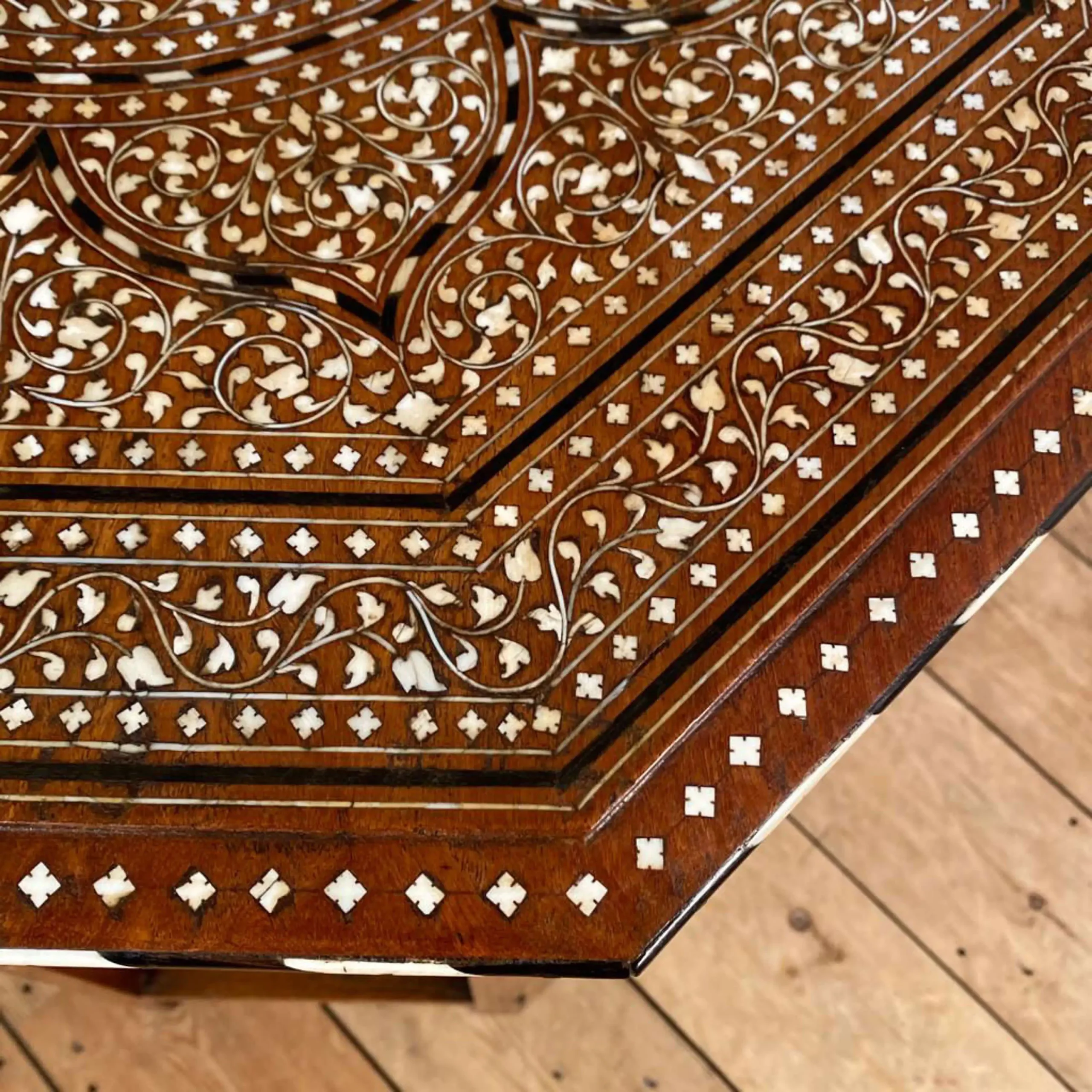
3.3. Fine Inlay and Marquetry (Tâssim)
To complement the golden amber of the burl, artisans embed contrasting materials directly into carved grooves on the surface:
Lemonwood (Citronnier): Provides a creamy, bright ivory contrast.
Mother-of-Pearl (Nacre): Adds an iridescent, light-catching sheen.
Ebony: Lends deep black structural borders to geometric arabesques.
Metals: Pure silver or brass wire is hammered into the wood to outline floral or Moorish motifs.
3.4. French Polishing and Sandarac Resin
Unlike mass-produced furniture coated with synthetic polyurethane, authentic thuya is finished by hand using natural sandarac varnish (a resin derived directly from the thuya tree) or pure beeswax. The wood is hand-rubbed with fine sand and oil until it achieves a glass-smooth, tactile finish.
4. How to Choose the Right Thuya Piece for Your Space
Desk Accessories: Business card holders, pens, and paperweights introduce tactile warmth to modern glass-and-steel executive desks.
Keepsake and Puzzle Boxes: A signature handicraft of Essaouira, hidden-lock puzzle boxes serve as interactive decorative accents for coffee tables and consoles.
Catchall Trays and Bowls: Ideal for entryways, living rooms, and dressing tables to hold keys, rings, or daily jewelry.
Statement Furniture: Small octagonal side tables with intricate mother-of-pearl marquetry elevate bohemian, Mediterranean, and eclectic luxury living rooms.
5. Styling Tips for Thuya Wood in Modern Interiors
Contrast with Metallic Accents: Pair thuya burl with brushed brass mirrors or hammered copper trays. The golden tones of the metal accentuate the warm red and honey veins of the wood.
Soften Minimalist Schemes: A polished thuya box placed on a sleek white marble countertop or concrete shelf breaks the coldness of minimalist architecture with an organic focal point.
Layer with Natural Textures: Thuya pairs harmoniously with artisanal wool rugs, vegetable-tanned leather pouffes, and raw linen upholstery.
6. Maintenance and Care for Thuya Wood
Solid thuya burl requires minimal but deliberate care to preserve its luster and aroma:
Routine Dusting: Use a clean, dry, lint-free microfiber cloth. Avoid wet rags and chemical furniture sprays.
Reviving the Shine: Once a year, apply a small drop of natural lemon oil or food-grade beeswax using a soft cloth, buffing along the grain.
Sunlight Protection: Keep decorative pieces out of harsh, direct sunlight to prevent the rich reddish-amber pigments from fading.
Climate Control: Place pieces away from direct heat sources (radiators, stoves, or fireplace mantels) to protect the seasoned wood from extreme humidity fluctuations.
7. Conclusion
Moroccan thuya wood is not merely decorative timber; it represents living cultural heritage. From the harvesting of sustainably managed Atlas root burls to the meticulous hand-inlays executed by Essaouira’s master artisans, every piece tells a story of patience, skill, and organic beauty. Adding a handcrafted thuya piece to your home brings both visual distinction and a sensory connection to Morocco’s most venerable craft tradition.
7.1. FAQs About Thuya Wood
Does the cedar-incense scent wear off over time?
The essential oils in thuya wood are trapped deep inside its cellular structure. If the exterior aroma diminishes after several years, light buffing with fine sandpaper or a gentle application of natural lemon oil will immediately reactivate the fragrance.
Why are no two thuya pieces identical?
Because thuya items are carved from root burls, every grain configuration, cluster of “eyes,” and color gradient is dictated purely by nature. Each carved item is a unique specimen.
Is thuya wood durable?
Thuya burl is exceptionally hard and dense, comparable to walnut and maple. Handcrafted boxes and trays made from properly seasoned thuya last across generations without warping.
7.2. Original Facts About Thuya Wood
Ancient Prestige: Pliny the Elder documented that Roman aristocrats, including Cicero, purchased thuya tables at prices equivalent to royal estates.
Sandarac Resin Source: The resin secreted by the bark of the thuya tree (Sandarac) was historically the base ingredient for fine varnishes used on classical Italian violins.
Regenerative Growth: Unlike many trees that perish when cut down, the thuya stump readily regenerates new shoots from its base, aiding in natural forest replenishment.