
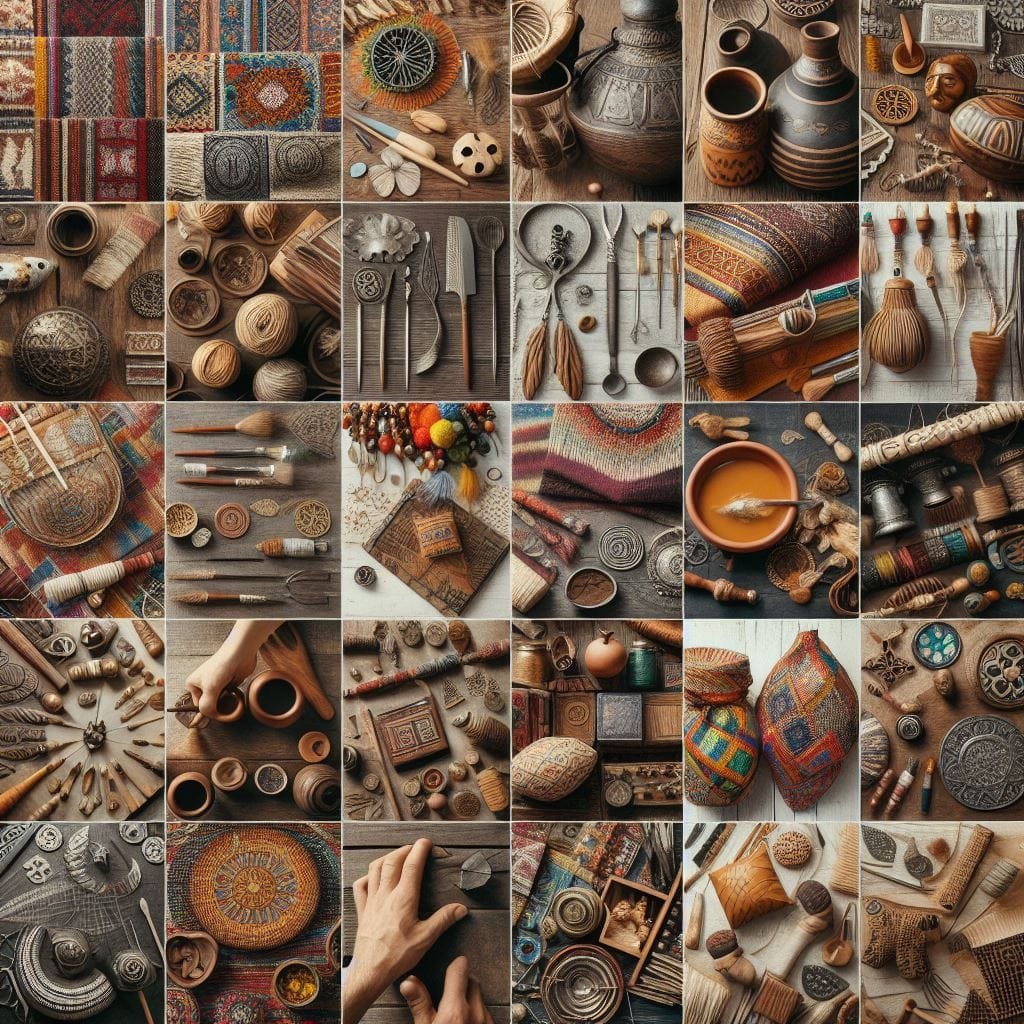
The Beauty of Artisan Crafts: An Introduction
Handmade artworks, crafted from natural raw materials, represent a rich tapestry of cultural expression and creativity found throughout the globe. These artisan crafts encompass a diverse array of forms, from intricate textiles to delicate pottery, each bearing the unique imprint of the tradition and skills of local artisans. Their beauty lies not only in aesthetics but also in the stories and cultural significance they embody. For many communities, these crafts are much more than mere commodities; they are vital expressions of heritage and identity that have been passed down through generations.
The variances in artisan crafts across different countries highlight a global appreciation for handmade artistry. In regions where natural resources are abundant, such as in parts of Africa and South America, artisans have developed techniques that utilize local materials, producing pieces that reflect their environment. For instance, indigenous groups may create intricate jewelry from shells, seeds, or stones, emphasizing their connection to the landscape. Similarly, in Asia, bamboo and clay have been traditionally used to create functional art, showcasing skillful methods that not only serve practical purposes but also preserve cultural narratives.
The focus on sustainability in artisan crafts is profound. As the global market increasingly values eco-friendly practices, many artisans are committed to sourcing materials responsibly. This approach not only supports local economies but also promotes biodiversity, ensuring that natural resources are used judiciously. By celebrating handmade artworks made from natural raw materials, we embrace a movement that values craftsmanship, cultural diversity, and environmental stewardship. In exploring these crafts further, one gains insight into the rich heritage and creativity that define our world, reaffirming the importance of artistry in our increasingly homogenized society.
Top 10 Countries Known for Their Artisan Handicrafts
Artisan handicrafts represent a significant facet of cultural heritage and identity across the globe. Many countries have carved out a reputation for their unique approaches to handmade artworks, often utilizing natural raw materials that reflect the local environment and history. Below are ten countries renowned for their exceptional artisan crafts.
Morocco: Known for its vibrant souks and skilled artisans, Morocco boasts a rich tradition of handmade carpets, ceramics, and leather goods. The intricate designs and craftsmanship highlight Berber and Islamic influences, showcasing a unique blend of cultural heritage.
Italy: Renowned for its artistry, Italy stands out particularly for its glass blowing in Venice, leather goods in Florence, and intricate lacework in Burano. The country’s artisan traditions continue to thrive, with techniques passed down through generations that emphasize quality and craftsmanship.
India: With its diverse cultures and expansive geography, India offers a vast array of artisan crafts, including textiles, pottery, and jewelry. Each region contributes its own distinctive styles, from handwoven carpets in Rajasthan to intricate block printing in Gujarat, reflecting the country’s artistic heritage.
Japan: Known for its meticulous craftsmanship, Japan excels in creating handmade pottery, textiles, and woodwork. The country’s artisans emphasize simplicity and functionality, deeply rooted in the philosophy of Wabi-Sabi, which celebrates natural imperfections.
Indonesia: This archipelago is famous for its batik textiles and intricate wood carvings. Each island showcases specific artisan crafts that incorporate vibrant colors and designs, often inspired by the island’s rich fauna and flora.
Mexico: Mexican artisans are celebrated for their colorful pottery, textiles, and metalwork, demonstrating indigenous influences blended with Spanish traditions. Handmade Day of the Dead decorations and Talavera pottery are particularly notable contributions to the world of handicrafts.
Peru: Peru’s rich history of textiles, including the famed Andean shawls, remains evident in its artisan crafts. The use of llama and alpaca fibers, coupled with ancient techniques, creates exquisite, durable products that reflect the indigenous culture.
Turkey: Turkey offers a fascinating blend of East and West in its artisan crafts, notably in handwoven carpets and intricate tile work. The traditions have evolved, yet they maintain a connection to the historical practices of the Ottoman Empire.
Ghana: Ghana is well-known for its vibrant kente cloth and intricate beadwork, which reflect the rich cultural heritage and storytelling of the Akan people. The techniques used in crafting these artisanal pieces have been preserved over generations, symbolizing personal and communal identities.
These countries not only stand out for their distinctive handicrafts but also for the artisanal techniques preserved through ancestral knowledge. Each beautifully crafted piece reflects the soul of its origin, celebrating cultural diversity worldwide.
Techniques and Materials: A Deep Dive into Each Country’s Artworks
Artisan craftsmanship varies significantly across the globe, with each culture employing distinct techniques and natural materials to create unique handmade artworks. These artworks are not merely aesthetic objects but also represent the rich cultural heritage and traditional practices of the artisans, passed down through generations.
In Africa, clay is a predominant raw material used in the creation of pottery and sculptures. Techniques like hand-building, coiling, and pinch pottery are traditional methods used by artisans to shape the clay. Similarly, textile creating, particularly through weaving, employs natural fibers sourced from local plants such as cotton and jute. These materials are dyed using organic pigments, resulting in vibrant, durable fabrics that tell stories of the region.
Asia, known for its intricate artworks, utilizes a wide range of materials. For instance, Japanese ceramics showcase techniques like raku firing and slab construction, which highlight the unique characteristics of the clay sourced from local hotspots. In countries such as India, artisans skillfully use brass and copper for metalwork, employing methods like hammering and casting to produce stunning pieces that often incorporate elaborate designs and motifs.
In the Americas, indigenous communities often utilize local wood for carving. The technique of totem pole carving in the Pacific Northwest demonstrates the intricate relationship between artisans and their environment, as each carved figure represents cultural stories and local heritage. Additionally, leather crafting is a notable tradition that utilizes animal hides to create functional artworks, combining utility with artistic expression.
The techniques employed by artisans around the world not only reflect individual artistry but also embody a respect for natural resources. Through these varied methods, handmade artworks serve as a beautiful testament to the skill and creativity of their creators, highlighting the shared human experience across different cultures.
The Impact of Handmade Art on Local Communities
Handmade artworks crafted from natural raw materials hold significant value not only for their aesthetic and cultural contributions but also for their profound impact on local communities. Artisans who create these pieces often rely on this craft as their primary source of livelihood. By engaging in traditional craftsmanship, artisans not only sustain their families but also contribute to the socioeconomic development of their communities. The income earned from selling handmade goods enables artisans to invest in their local economies, generating further employment opportunities and stimulating related industries.
Moreover, handmade art plays a critical role in cultural preservation. Each piece encapsulates a story or tradition, often reflecting the unique heritage of the artisan’s community. By promoting and selling handmade artworks, artisans help to keep their cultural practices alive, passing down skills and knowledge to future generations. This intergenerational transfer of expertise ensures that traditional techniques and artistic styles are not lost amidst the rapid globalization of consumer goods.
Supporting local artisans in creating and selling handmade artworks fosters an environment of craftsmanship that values sustainability. Many artisans use environmentally friendly methods, emphasizing the importance of utilizing raw materials in a way that does not deplete resources. By prioritizing sustainable practices, artisans contribute to the conservation of their local environments. These practices can establish a harmonious relationship between production and nature, encouraging consumers to make ethically conscious purchasing decisions.
What we learn from ?
In that context, the global marketplace plays a pivotal role in connecting these artisans with a broader audience. As more consumers seek unique, handmade items that reflect cultural authenticity, there is an increasing demand for artisan-crafted products. By recognizing the importance of such goods, we support the preservation of heritage and craftsmanship while uplifting local communities economically. The choice to purchase handmade artwork ultimately strengthens the bond between culture and commerce, reinforcing the significance of artistic expressions derived from natural resources.